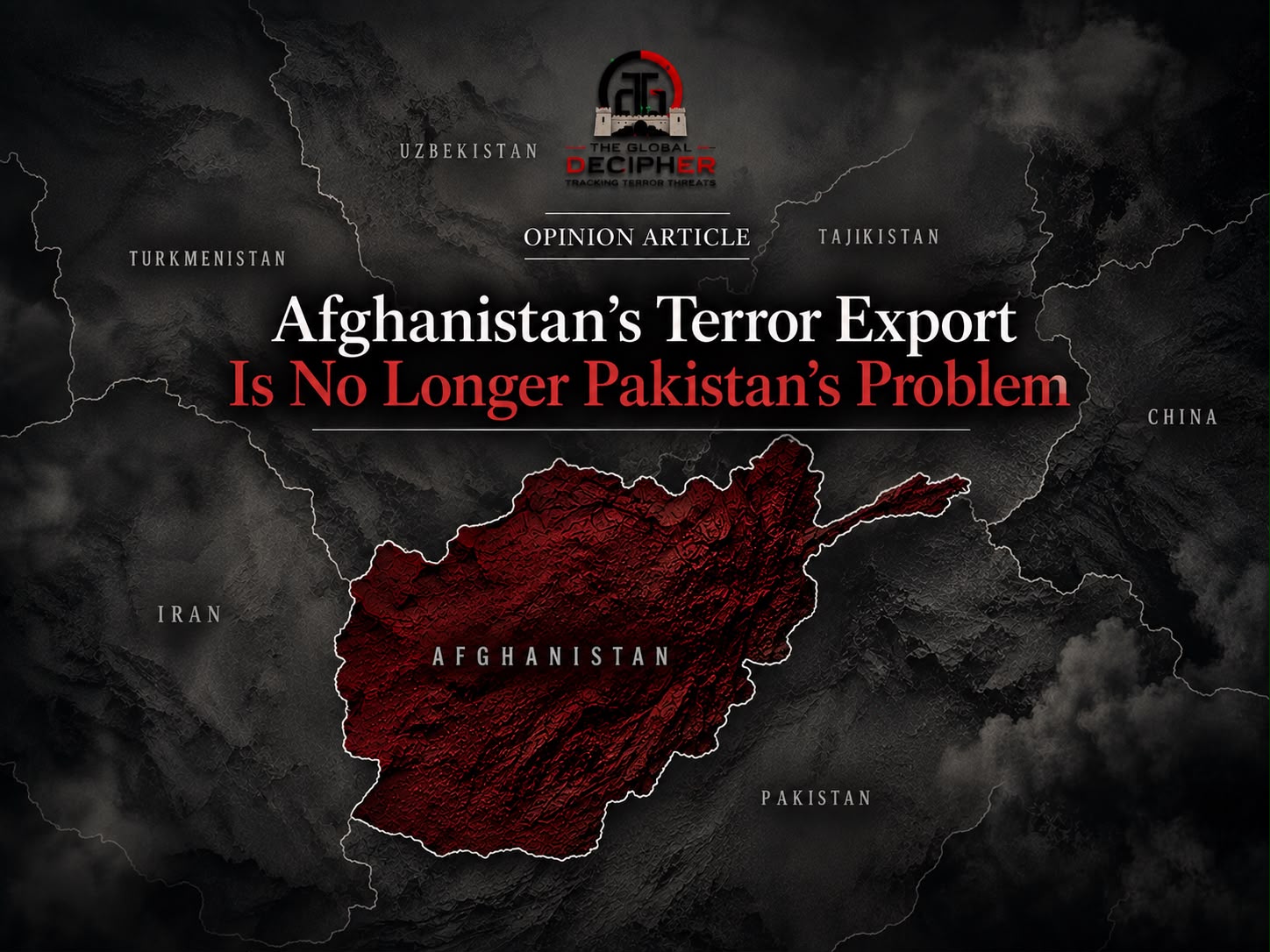

The Shanghai Cooperation Organization summit opened in Bishkek on 31 August, with terrorism, drug trafficking, and other security threats emanating from Afghanistan expected to feature prominently over the two-day gathering. Afghanistan has held SCO observer status since 2012, yet the Taliban was once again left off the guest list.
The contrast is striking: the Taliban continues to seek wider diplomatic acceptance, while Afghanistan remains at the center of regional discussions over terrorism, extremist networks, narcotics, and cross-border insecurity.
The summit—marking the SCO's 25th anniversary—is expected to conclude with the Bishkek Declaration, alongside a set of thematic statements. It will also mark the end of Kyrgyzstan's current chairmanship, with the SCO presidency passing to Pakistan for 2026–2027, ahead of next year's summit in Islamabad.
Five Years, Repeated Warnings
The SCO's concerns over Afghanistan did not begin with the Bishkek summit. At the September 2021 Dushanbe summit, held weeks after the Taliban's takeover, SCO leaders pressed the Taliban regime to prevent terrorism from threatening neighboring states. Russian President Vladimir Putin urged the SCO to use its influence to help launch an inclusive Afghan peace process while blocking terrorism, drug trafficking, and religious extremism flowing out of the country, and said it was reasonable to press the Taliban to make good on its own promises of security and stability.
The pressure has not let up since. The 2022 Samarkand Declaration committed member states to eliminating the conditions that let terrorism spread—disrupting financing channels, suppressing recruitment, and shutting down cross-border movement, sleeper cells and terrorist safe havens.
By 2024, the Astana Declaration went further still, explicitly stressing the "inadmissibility of harboring terrorists." That same declaration formally noted Tajikistan's initiative—first raised by President Emomali Rahmon in 2021 — to build a "security belt" around Afghanistan, underscoring how seriously neighboring SCO states have come to view the risk of terrorist networks spilling across Afghan borders.
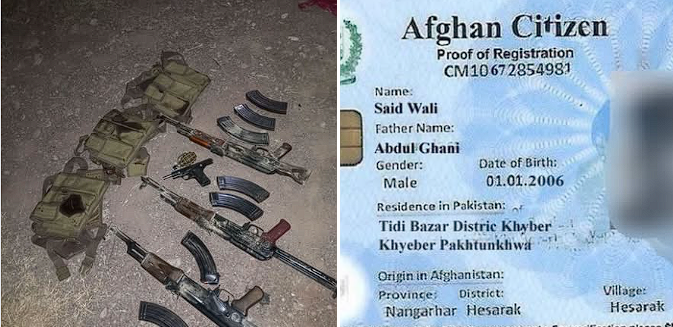
The issue resurfaced most recently at the SCO foreign ministers' meeting in July 2026 in Cholpon-Ata, where terrorism emanating from Afghanistan was again raised ahead of the Bishkek summit. Pakistan's Deputy Prime Minister and Foreign Minister Ishaq Dar told the gathering that groups such as the TTP continue to recruit, train, and operate from Afghan soil under the Taliban regime's watch, an enabling environment he said has been "well-documented by the UN Analytical Support and Sanctions Monitoring Team."
Promises vs. Reality
The pattern is increasingly difficult for the Taliban to dismiss as an internal Afghan problem. For years, the SCO has warned that terrorist organizations operating from Afghan territory could threaten neighboring states, yet the threat has continued to move outward from Afghanistan’s borders. The Taliban came to power promising that Afghan soil would not be used against other countries, but repeated warnings, militant activity, and cross-border violence have steadily undermined that claim.
For Afghanistan’s neighbors, the issue is no longer whether the Taliban understand the threat—they have been warned about it repeatedly. The real question is whether the Taliban are unwilling or incapable of dismantling the terrorist networks operating under their watch. If groups can continue to organize, recruit, train, and operate from Afghan soil while attacks and infiltration threaten neighboring countries, then the Taliban cannot credibly present themselves as a guarantor of regional security. Their repeated assurances mean little without action, and every cross-border attack further exposes the gap between the Taliban’s promises and the security reality emerging from Afghanistan.