
Badakhshan is flaring up again. Opposition activity is rising, Taliban reinforcements have moved north, checkpoints are multiplying, and Kandahar is preparing a broader security campaign across one of Afghanistan's most sensitive frontier provinces. But the crisis did not begin when Yaftal-e Payin briefly fell on 17 July 2026.
The chronology points to something deeper. First came terrorist pressure across the frontier toward Tajikistan. Then Kandahar intensified its political, military and economic grip over predominantly Tajik Badakhshan itself. By 2026 those two developments were converging: a terrorist organization dedicated to destabilizing Tajikistan remained active under Taliban rule, while Kandahar simultaneously weakened local Tajik authority and tightened its hold on Badakhshan's gold economy.
The Pressure Across the Border Came First
Jamaat Ansarullah, the "Tajik Taliban," has operated alongside the Afghan Taliban for years. UN monitoring reported its fighters deployed with Taliban forces along the Tajik frontier after relations between Kabul and Dushanbe deteriorated in 2021, and a 2025 UN assessment found the group running training camps with Taliban support. In 2023, Tajik authorities reported infiltration attempts from Afghanistan, in one case explicitly naming Jamaat Ansarullah members. By late 2025, the frontier had worsened further: two attacks from Afghanistan killed five Chinese nationals inside Tajikistan, one a grenade-equipped drone strike on a gold-mining camp.
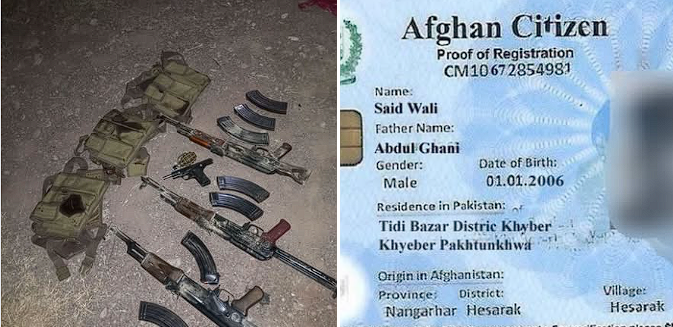
The December 2025 UN Monitoring Team report states the group's principal objective remains destabilizing Tajikistan, and that Taliban authorities issued Afghan passports to its members and employed some of its fighters. That makes Taliban denials hollow: a group hostile to Dushanbe isn't hiding beyond Kabul's reach — it survives inside territory the Taliban claim to control, with documented members reportedly receiving protection from Taliban authorities.
Then Kandahar Tightened Its Grip
While pressure built across the frontier, Kandahar was also squeezing local Tajik influence inside Badakhshan. Reporting — including a Dari-language account of Tajik commanders being sidelined — describes ethnic Tajik and Uzbek figures steadily removed from authority, with outsiders appointed in their place. By late 2025, the Taliban were reportedly dismissing thousands of Tajik and Uzbek security personnel, with Badakhshan hit hardest.
Then the struggle shifted to minerals. In February 2026, Akhundzada approved a 1,000-member force for Badakhshan's gold-producing areas. By June, reporting described a wider campaign to dismiss, transfer, or arrest influential Badakhshani figures while shifting mines from local networks toward Kandahar — including the removal of ethnic-Tajik mining chief Juma Khan Fateh. All of this predates Yaftal. The Taliban now frame their buildup as a response to opposition activity; the record shows centralization was already underway.
Gold Means Control
Badakhshan's gold isn't just revenue. USGS surveys identify Weka Dur, in Ragh district, as Afghanistan's largest recorded gold occurrence, roughly 958.3 kilograms averaging 4.1 grams per ton. More importantly, Taliban officials say roughly 100,000 people are connected to the gold economy. When smaller operations were shut, families lost income, and protesters have accused Taliban forces of beating workers demanding mines reopen.
Taking mines from local networks does more than move revenue to Kandahar — it strips the economic independence of Badakhshan's Tajik communities. That exploitation, compounded by the sidelining of Tajik and Uzbek officials described above and the outright looting of a resource base thousands of local families depend on, is what has driven local resistance in the province — resistance that has since hardened into more extreme activity. Then came Yaftal: fighters calling themselves Sepahiyan-e Mihan briefly seized the district, reinforcements followed, and checkpoints multiplied. Kandahar's consolidation predates that fighting; what changed at Yaftal is that local resistance, born of exploitation rather than manufactured by it, escalated into open armed confrontation.
Where the Two Pressures Meet
Badakhshan now reveals two sides of the same Taliban strategy.
Inside Afghanistan, Kandahar is tightening political, military and economic control over a predominantly Tajik province, reducing local authority and taking greater command of resources on which thousands of families depend. Across the frontier, Tajikistan faces a terrorist organization whose stated objective is to destabilize the Tajik state and whose members have documented links to Taliban authorities.
That is why Badakhshan cannot be understood simply as another counter-opposition campaign. The pressure runs inward against Badakhshan's Tajik population and outward toward Tajikistan. Gold provides the economic incentive. Centralization provides the political objective. Jamaat Ansarullah provides the security pressure. And the Taliban's expanding military footprint gives Kandahar the means to reinforce all three. Much of the local resistance itself is best read as a response to that first driver: years of exploitation, the sidelining of Tajik and Uzbek officials, and the looting of Badakhshan's gold have converted economic and political grievance among the province's communities into armed pushback against Kandahar's control.
Tajikistan Is One Front of a Wider Afghan Terror Threat
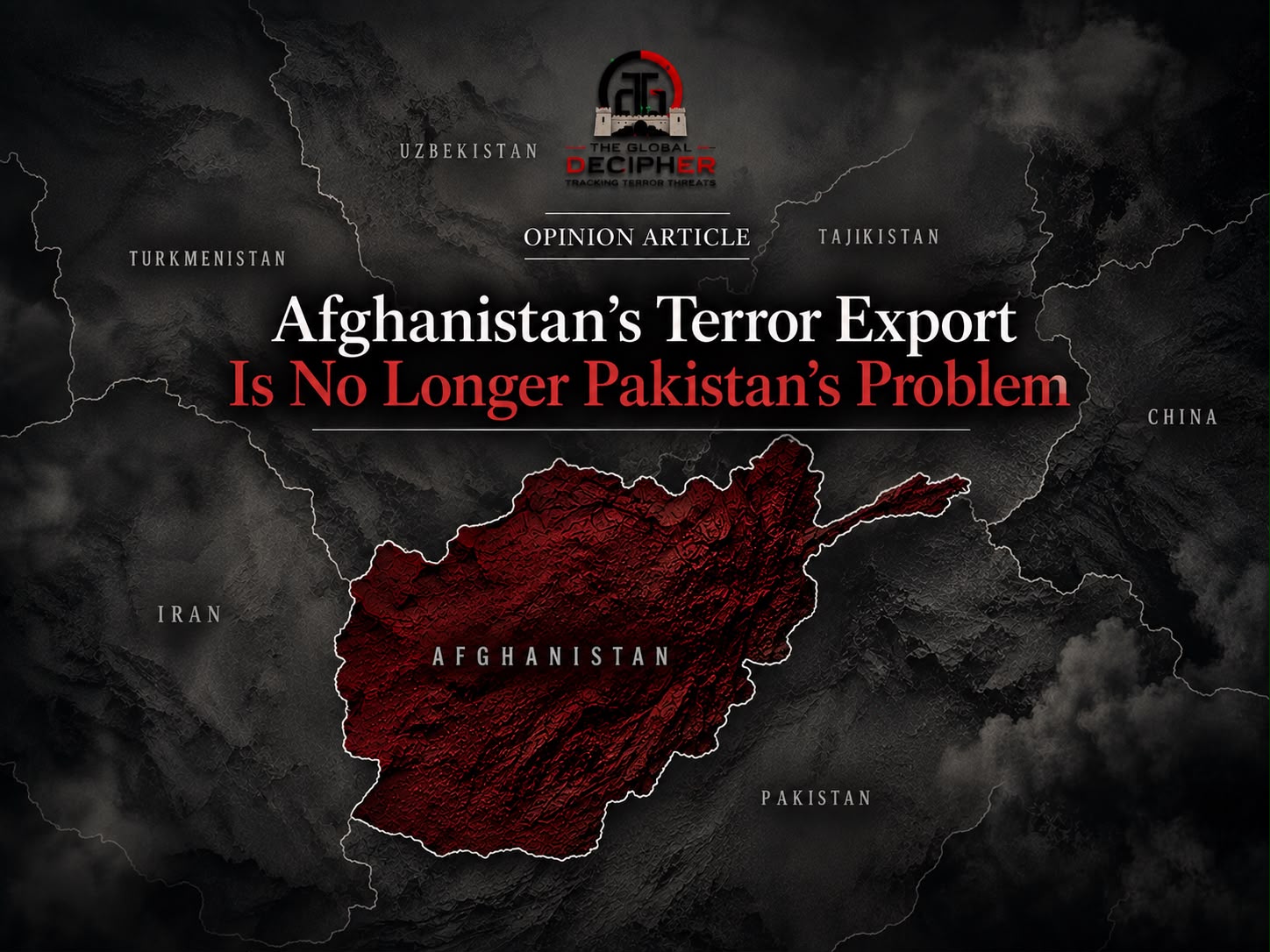
Tajikistan is not the first state to face terrorism from Taliban Afghanistan. Pakistan faces the TTP; China faces ETIM/TIP; Uzbekistan confronts IMU; Iran and the world face ISKP and Al Qaida. The international community has warned for years about this. The Collective Security Treaty Organization (CSTO) is now moving into the equipment and weapons phase of its long-running program to reinforce Tajikistan's Afghan frontier, with first deliveries expected this autumn.
That regional response exposes the weakness of Taliban claims that Afghanistan threatens no one. Under Taliban rule, Afghanistan has become a platform from which different groups threaten different neighbors. In Badakhshan's case, that threat traces back to Kandahar's own conduct: exploitation of the gold economy, the sidelining of local Tajik and Uzbek officials, and the looting of resources on which thousands of families depend have driven local resistance — and that resistance has, in turn, escalated into more extreme activity.